Addiction
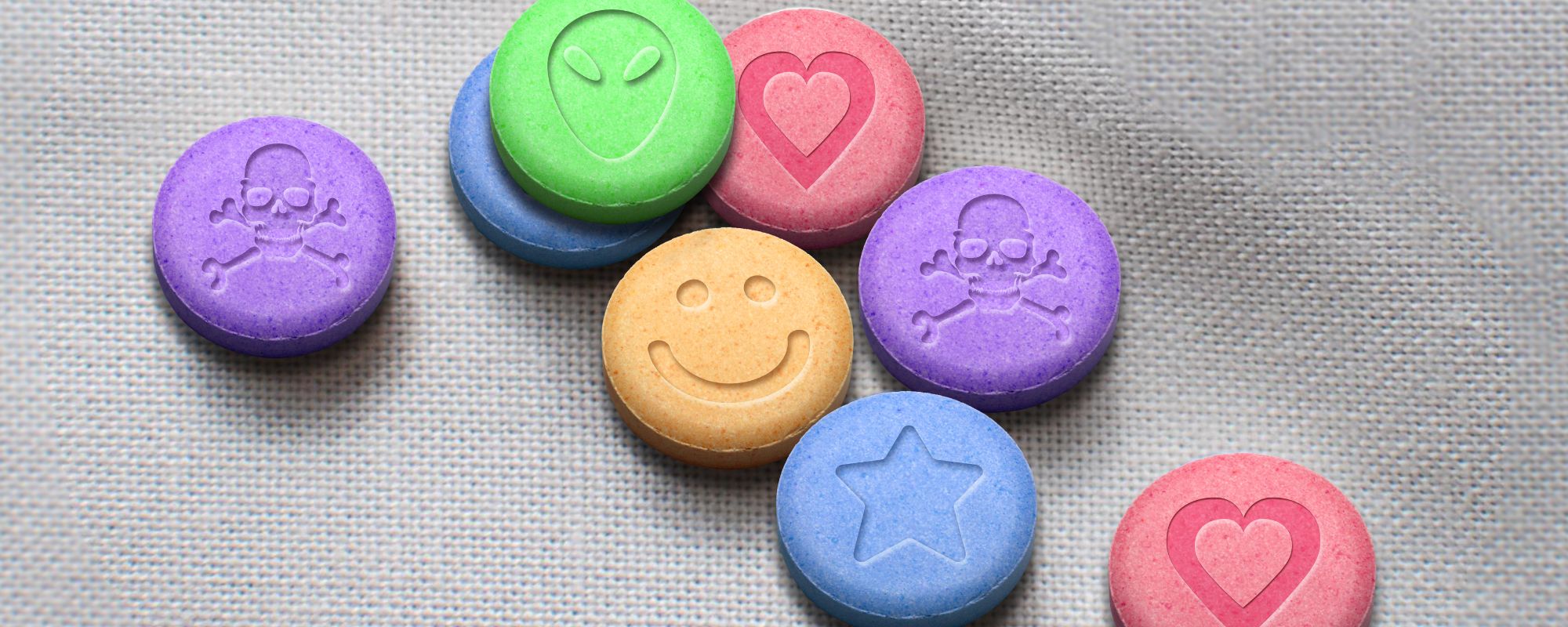
How Long Does Molly Last? What You Need to Know About Ecstasy
If you have or are currently experimenting with Molly, it is important to understand what this substance is and how it can

If you have or are currently experimenting with Molly, it is important to understand what this substance is and how it can

Key Takeaways: Post-deployment drinking escalation is a documented clinical pattern—not a character flaw or a phase—rooted in the stress of combat exposure,
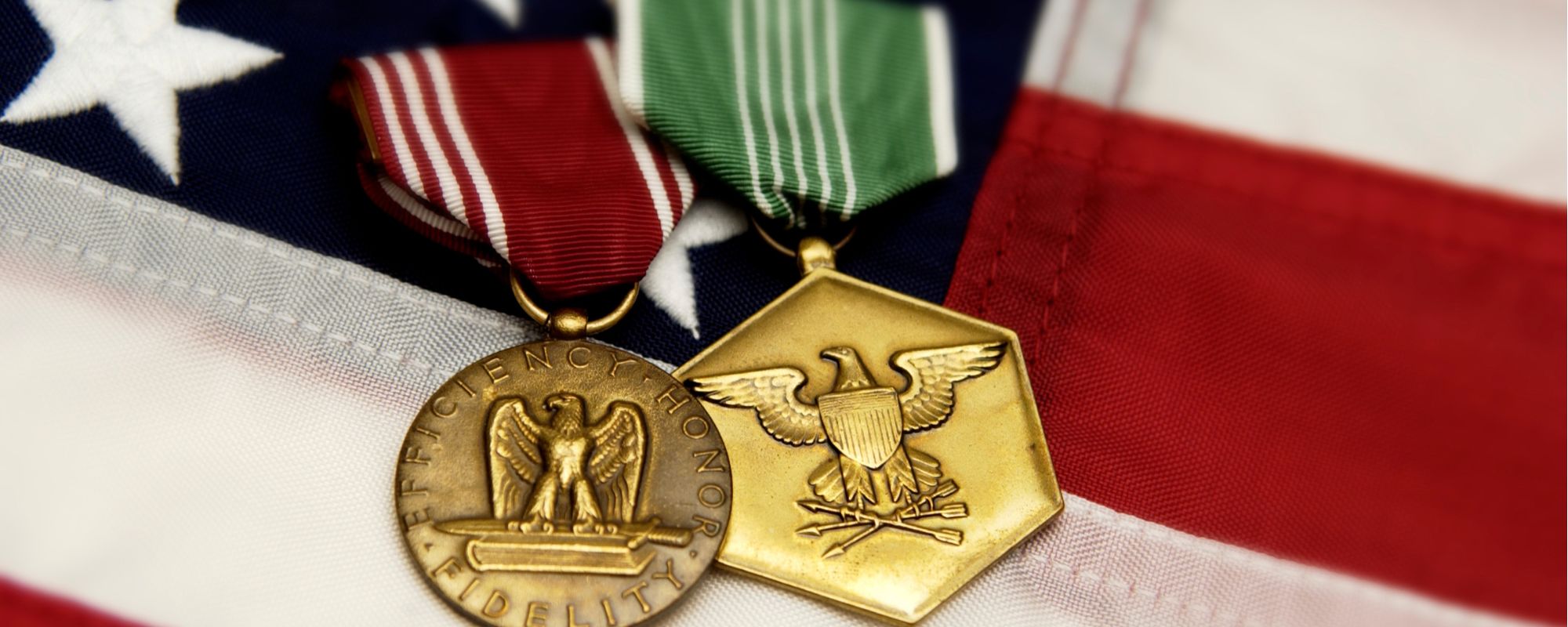
Key Takeaways: Self-referral to substance abuse treatment is explicitly protected under DoD policy and generally cannot be used as the basis for

Key Takeaways: Self-referral is the most protective path. A military self-referral for substance abuse—made before your command identifies a problem—triggers limited-use protections

Key Takeaways: Alcohol abuse in the military has structural causes, not personal ones. Deployment cycles, unit social norms, combat trauma, and reintegration

Key Takeaways: Alcohol use disorder is a clinical diagnosis, not a narrative one. The DSM-5 identifies 11 specific criteria; two or more

Key Takeaways: Alcohol and benzodiazepine withdrawal can become life-threatening within 24 to 72 hours of stopping—seizures and delirium tremens are genuine medical

Key Takeaways: Addiction treatment is organized into five sequential levels of care—medical detox, residential, PHP, IOP, and outpatient—each defined by the ASAM

Key Takeaways: Six terms determine what you pay for any covered healthcare, including addiction treatment: premium, deductible, coinsurance, copay, out-of-pocket maximum, and

Key Takeaways: Federal parity law (MHPAEA) makes coverage the legal default. Most health insurers are legally prohibited from imposing more restrictive limits