Signs of Alcohol Abuse
To determine if you or someone you know is exhibiting common signs of alcohol abuse, you can take our alcoholism questionnaire. While not a diagnosis, it can alert you if you’re demonstrating alignment with alcohol abuse symptoms, which is dangerous. Additionally, some of the signs to watch for are:
- Cravings for more alcohol
- Neglecting responsibilities and passions
- Always thinking about the next drink
- Daily or near-daily drinking
- Financial difficulty due to purchasing alcohol
- Inability to stop drinking
Types of Alcohol Abuse
Alcohol abuse is dangerous patterns of drinking that leads a person down the path towards alcohol dependency. Once a person is addicted, they will always struggle with their urges towards drinking more than they should. Some of the early steps of alcoholism are binge drinking and heavy drinking.
Binge drinking refers to drinking great quantities of alcohol over one occasion, like one evening out. However, when a person regularly binge drinks, this is called heavy drinking. Simply, heavy drinking is considered eight or more drinks a week for women, or fifteen for men.
Alcohol Use Disorder
Alcohol use disorder (AUD) is a serious brain condition that is outlined in the DSM-5, the leading statistical manual for diagnosis. A substance abuse professional can diagnose where your AUD falls on the spectrum in terms of your symptoms. The more severe your condition, the harder it is to attempt to reverse the effects on the brain and body. Yet, alcoholism treatment does rid the body of alcohol to begin the process of repairing you after long-term drinking damage.
What Are the Benefits of Alcohol Rehab?
The best way to undergo alcohol recovery once and only once is to work with a treatment center. Attending professional rehab reduces your risk of relapse and increases your ability to handle future triggers with strength. This is all due to the invaluable training and practice you complete while attending alcohol abuse programming. Some of the specific benefits alcohol rehab provides which directly contribute to healing are outlined below.
Helpful Support System
From the moment you first walk through the door, you are a valued member of the Royal Life Centers family. Here in our center, you will find a community of others who acutely understand the pain and destruction alcoholism creates. The peers you engage with during group sessions, activities, and free times have their own stories of alcohol’s impact. Just as you are seeking peace and refuge, your peers have also come to Cascade Heights to heal in private. Along with the other guests, your time in rehab will be touched by our many amazing staff members. Notably, they also bring their own stories of addiction fueling their desire to help addicted individuals improve their quality of life.
The wonderful people who walk through your rehabilitation with you will nurture you, push you, inspire you, support you, and get to truly know you. And even once you graduate from rehab as an alumni, you will always have a place in the family.
Learning to Manage Triggers
One of the hardest parts of alcohol addiction is the overwhelming urge to seek alcohol when pain and hardships arise. Because drinking has become a powerful habit to numb the pain, replacing this behavior is something you must practice. Without a doubt, overcoming alcoholism is difficult. In fact, alcohol use disorder (AUD) is a chronic condition you must monitor for the rest of your life. Even after you detox from alcohol, sobriety is a daily effort to avoid relapsing into your old patterns of drinking.
We teach our guests how to manage their triggers and block themselves from turning to alcohol as a self-medication. Through therapy programming, you will understand the healthy alternatives available to you and turn them into habits to get you through. Along with practicing coping mechanisms, speaking about the feelings and motivations behind your urge to drink is another instrumental part of trigger management.
Research-based Psychotherapy
In evidence-based psychotherapy programming, you will unpack the reasons behind your alcohol addiction. Instead of letting pain fester and manifest in drinking, it’s important to talk through the beliefs pinning you down. Without even realizing it, people carry negatives self-beliefs that influence how they operate in the world. In therapy, you will work through these ideas, breaking down whether they are true or not. As you start to realize the lies you were basing your life on, and where they originated, you’ll free yourself from them.
Psychotherapy can help people with self-sabotage, negative self-image, and destructive behaviors, along with many other harmful patterns. Markedly, there are many different psychotherapy techniques specializing in specific concerns. These include issues like alcohol addiction, self-harm, trauma and post-traumatic stress disorder, mental health disorders, and co-occurring disorders. You will follow a tailored service plan determining which psychotherapy methods you try.
Learning New Life Skills
Also part of alcohol rehabilitation is discovering and loving new lifestyle habits and skills. We offer holistic therapy activities to restore the body in its entirety, mind, body, and spirit. Additionally, alternative therapies act as healthy coping mechanisms individuals can turn to when needed. Activities like equine-assisted therapy, outdoor adventure therapy, art therapy, yoga, and nutritional counseling are only some of the many we offer. Each carefully-chosen holistic therapy brings whole-self transformation and many become new lifestyle habits after guests leave our center.
Since you will be attending a Washington alcohol treatment center, you’ll also enjoy tranquil living amidst beautiful scenery and nature. With close proximity to both mountains and lakes, you can pick up new skills like hiking, kayaking, biking, and camping.
Finding the Right Washington State Alcohol Treatment Center
We know it can feel difficult to pick the right treatment center. When looking for the place to call home during this chapter of healing, we offer these characteristics to have our guests:
- Accredited treatment facility offering evidence-based, holistic practices
- Knowledgeable, licensed, and certified staff
- Diverse range of traditional and holistic therapy methods
- Specific treatment program tracks
- Peer recovery support groups
- Comfortable living centers with ample amenities
- Beautiful, peaceful locations surrounded by nature
- Ability to accept most insurance providers
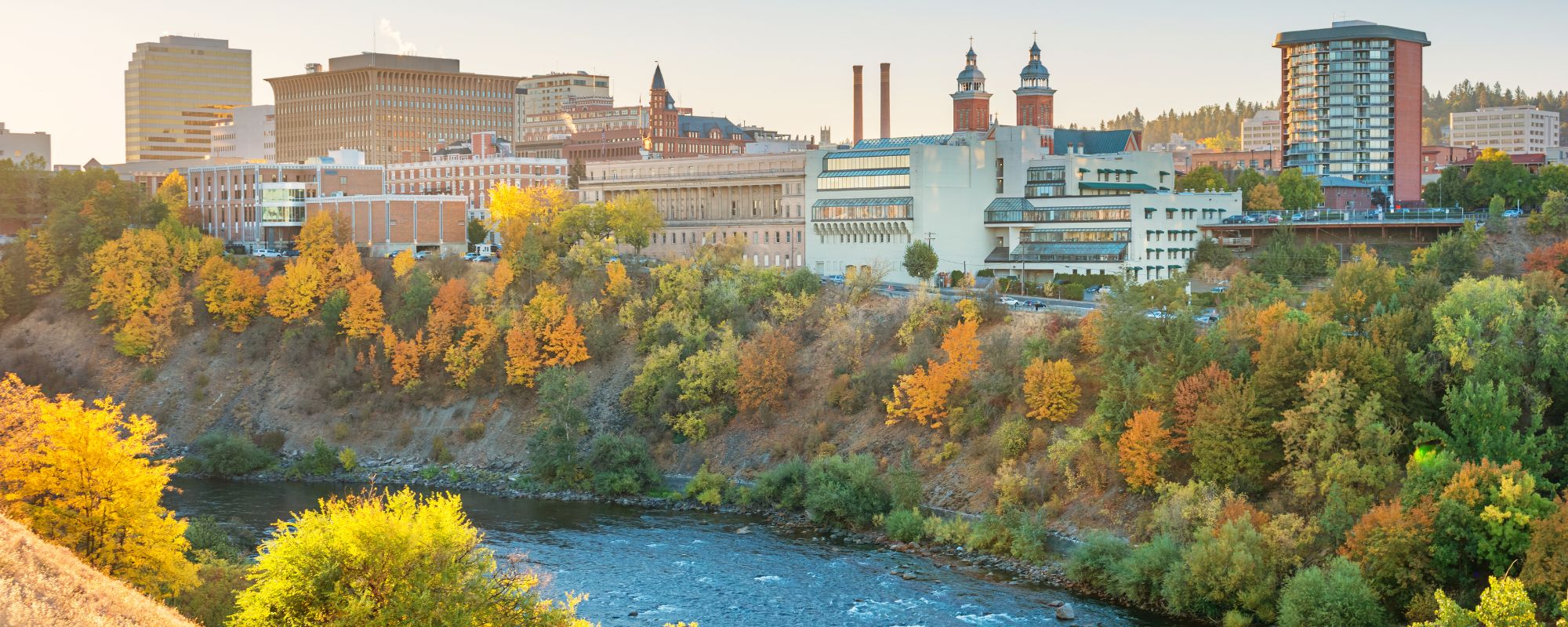
You assure you it’s possible to achieve sobriety through Royal Life Centers in Washington. At Cascade Heights, we offer outpatient programming for flexible treatment support. However, if you require the first step of detox, we can start you in our nearby Spokane detox center, Spokane Heights. Then, transitioning from inpatient treatment to outpatient treatment is simple and convenient.
We’d love to welcome you to any of our Washington State alcohol treatment centers and we’ll help you find the right fit!